New study finds distinct genetic risk factors for infection with the Omicron variant of the coronavirus
Genetic differences may influence the risk of infection with the highly transmissible Omicron variant, and the patterns differ from earlier coronavirus variants, according to a new large international study led by researchers at Statens Serum Institut (SSI).
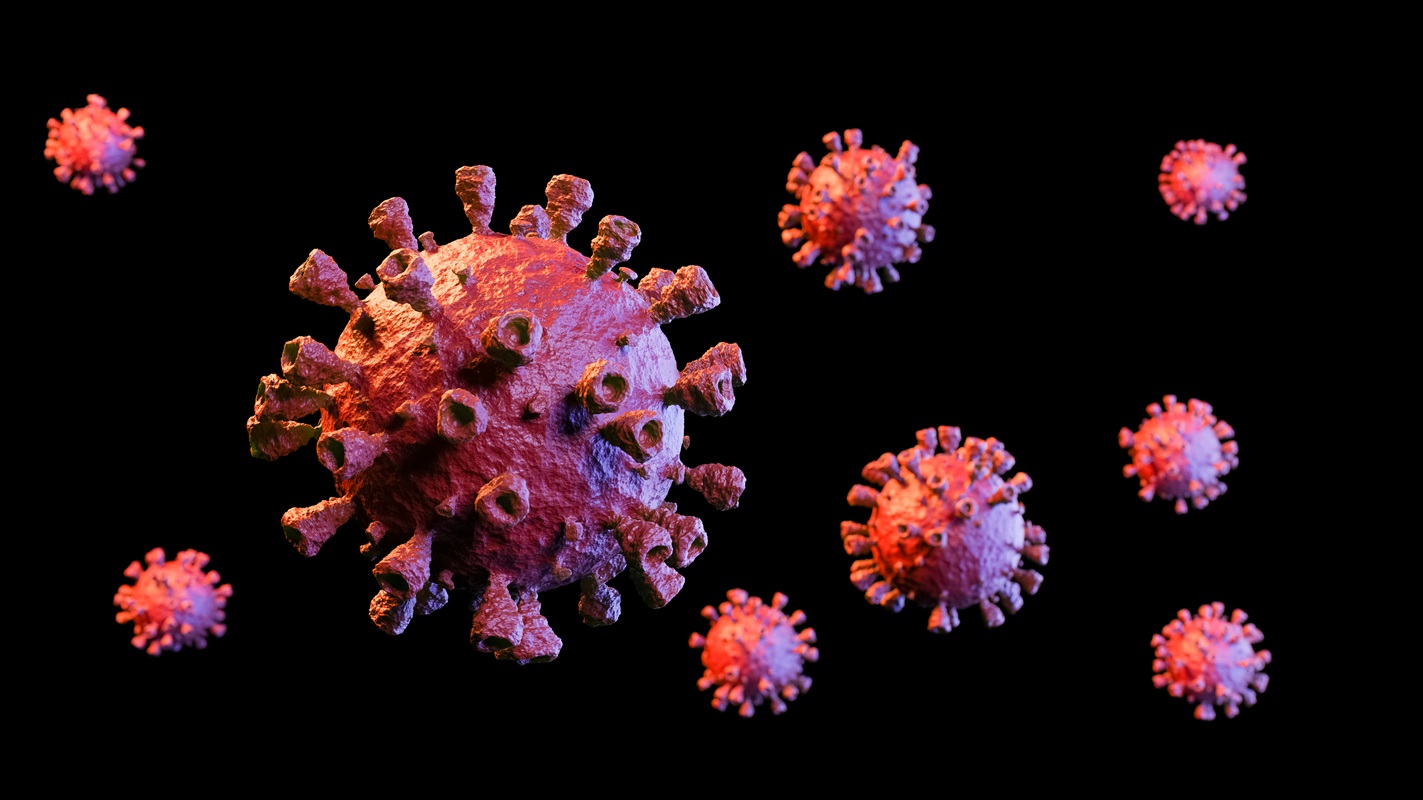
In a new genetic study, researchers from Statens Serum Institut (SSI) together with Danish and international colleagues have identified 13 genetic markers associated with infection with SARS-CoV-2 Omicron variants. Several of the findings differ markedly from the results of previous genome-wide association studies of COVID-19.
“What is remarkable about our study is how different the results are compared to earlier genetic studies of COVID-19. Of the 13 genetic regions we identify, eight have not previously been linked to infection with SARS-CoV-2,” says senior researcher at SSI Frank Geller, first author of the study.
The strongest genetic finding in the study is located in the gene ST6GAL1, which plays a role in immune system development. According to the researchers, the same genetic marker has previously been associated with susceptibility to influenza infection.
New genetic clues in the immune system
The study also shows that several of the identified genetic regions are located close to genes involved in glycosylation – a biological process that affects how viruses interact with human cells.
“The findings are interesting because they point to previously undiscovered interactions between human biology and evolved SARS-CoV-2 variants,” says Ria Lassaunière, section leader at SSI, adding:
“This calls for further experimental studies to understand the underlying mechanisms.”
Human genetic susceptibility differs after evolution of the virus
Previous large genetic studies of COVID-19 primarily focused on infections before the emergence of Omicron. According to the researchers, extensive vaccination programmes and the rapid evolution of the virus may help explain why the genetic patterns observed for Omicron differ from earlier variants.
“Our results show that the genetic background of susceptibility to SARS-CoV-2 infection is not static,” says Bjarke Feenstra, senior author of the study and research group leader at SSI.
“Therefore, it is important to continuously update genetic analyses during periods dominated by new variants.”
The study is based on genetic data from more than 150,000 people infected with Omicron and more than 500,000 control individuals without a known SARS-CoV-2 infection. The data come from large population-based studies in Denmark, Finland, Estonia and the United States.
The study was conducted as part of a large international collaboration and has now been published in the peer-reviewed scientific journal Nature Genetics.
The study at a glance
- Cases: More than 150,000 Omicron infections
- Controls: More than 500,000 individuals without known SARS-CoV-2 infection
- Countries: Denmark, Finland, Estonia and the United States
- Key finding: 13 genetic markers associated with Omicron infection, including 8 novel associations

Press contacts
Contact Statens Serum Institut’s press department at telephone number +45 2260 1123 or e-mail presse@ssi.dk